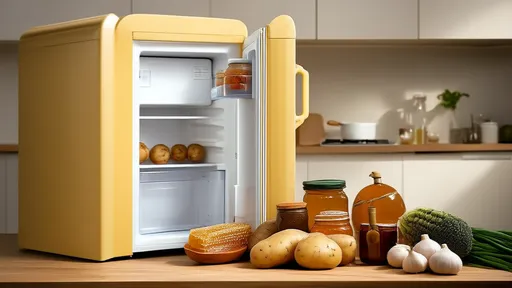
We often treat our refrigerators as magical boxes that can preserve anything we toss inside. The chilly environment seems like a safe haven for all kinds of perishables, but the truth is far from it. Certain foods not only fail to benefit from refrigeration but can actually deteriorate faster when exposed to cold temperatures. Understanding which items to keep out of the fridge can save you from unnecessary food waste and even potential health risks.
Tomatoes are a classic example of a food that suffers in the fridge. The cold air halts their ripening process, leaving them with a dull, mealy texture. Instead of developing their natural sweetness and juiciness, they turn bland and grainy. The best way to store tomatoes is at room temperature, away from direct sunlight. If they’re already ripe and you need a little more time, a cool pantry or countertop is far better than the refrigerator.
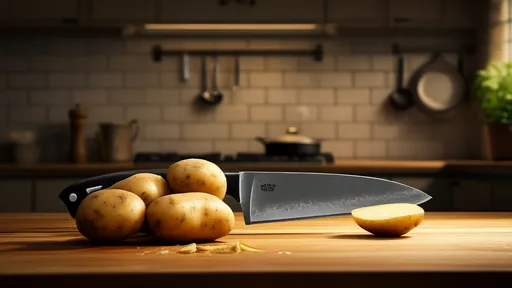
Potatoes are another staple that doesn’t belong in the cold. Refrigeration converts their starches into sugars more quickly, altering both their taste and texture. This can result in oddly sweet potatoes that turn unpleasantly gritty when cooked. Instead, store them in a paper bag or a well-ventilated container in a dark, cool place like a cellar or a cupboard. Keeping them away from moisture is key to preventing sprouting or rot.
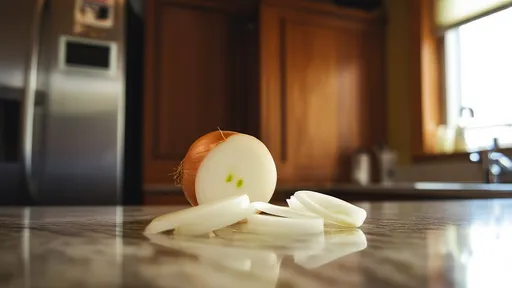
Many people reflexively store onions in the fridge, but this can lead to a soggy, moldy mess. Onions need airflow to stay fresh, and the humidity inside a refrigerator encourages spoilage. Whole onions should be kept in a dry, well-ventilated space—preferably in a mesh bag or a basket. Once cut, however, they should be wrapped tightly or stored in an airtight container and refrigerated to prevent bacterial growth.
Bread is a tricky one. While refrigeration might seem like a way to extend its shelf life, it actually accelerates staling. The cold causes the starch molecules in bread to recrystallize faster, making it tough and dry. Freezing is a better option if you need to store bread for an extended period, but for short-term use, a bread box or a cool, dry pantry is ideal.
Surprisingly, honey is another item that should never see the inside of a fridge. Cold temperatures cause it to crystallize, turning it into a thick, grainy paste that’s difficult to use. Honey is naturally resistant to spoilage due to its low moisture content and acidic pH, so storing it at room temperature in a sealed container is all it needs to stay perfect indefinitely.
Coffee beans or ground coffee are often mistakenly refrigerated in an attempt to preserve freshness. However, the fridge introduces moisture and odors that can compromise the coffee’s flavor. Instead, store coffee in an airtight container in a cool, dark place. If you must extend its shelf life for months, freezing small portions in an airtight bag is a better alternative.
Fresh basil and other delicate herbs wilt and turn black when exposed to cold temperatures. Instead of refrigerating them, treat them like fresh flowers—trim the stems and place them in a glass of water on the counter. For longer storage, herbs like basil can be finely chopped, mixed with olive oil, and frozen in ice cube trays.
Garlic is another ingredient that loses its flavor and texture in the fridge. The cold promotes mold growth and can cause the cloves to become rubbery. Like onions, garlic prefers a dry, airy environment. A mesh bag or a ceramic garlic keeper in a cool, dark spot will keep it fresh for weeks.
While it might seem counterintuitive, avocados should only be refrigerated once they’re fully ripe. If placed in the fridge too early, they’ll never soften properly. To speed up ripening, keep them in a paper bag at room temperature. Once they’re ready to eat, refrigeration can buy you a few extra days before they overripen.
Melons, such as watermelon, cantaloupe, and honeydew, lose some of their antioxidant content when stored in the fridge before cutting. Whole melons should be kept at room temperature to preserve their nutrients and flavor. Once sliced, however, they should be refrigerated to prevent bacterial growth.
Finally, hot sauces and many condiments like soy sauce or ketchup often don’t need refrigeration despite common practice. The high vinegar or salt content in these products acts as a natural preservative. Storing them in the fridge can dull their flavors over time. Unless the label specifies refrigeration, keeping them in a cool pantry is usually sufficient.
Refrigeration is a powerful tool for food preservation, but it’s not universally beneficial. Knowing which foods to keep out of the cold can help maintain their quality, flavor, and nutritional value. By rethinking where we store certain items, we can reduce waste and enjoy our food at its best.

By /Jun 13, 2025
By /Jun 28, 2025
By /Jun 28, 2025

By /Jun 13, 2025

By /Jun 13, 2025
By /Jun 28, 2025

By /Jun 13, 2025
By /Jun 28, 2025

By /Jun 28, 2025

By /Jun 13, 2025

By /Jun 28, 2025
By /Jun 13, 2025

By /Jun 28, 2025

By /Jun 28, 2025

By /Jun 28, 2025

By /Jun 13, 2025

By /Jun 13, 2025

By /Jun 28, 2025