The fashion world has been turned upside down by a new wave of AI-powered styling apps that promise to solve one of modern life's most persistent dilemmas: "What should I wear today?" Across app stores globally, applications like OutfitAI, StyleSnap, and ClosetGenius are seeing explosive growth, with some surpassing 10 million downloads in their first quarter.
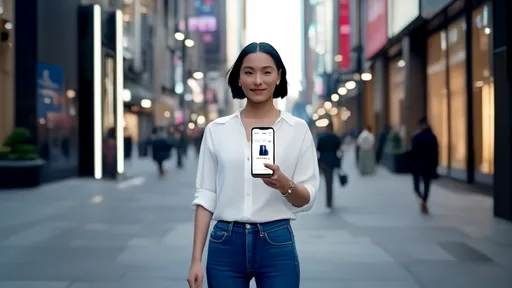
These innovative platforms use sophisticated machine learning algorithms to analyze users' existing wardrobes through photos, then generate personalized outfit recommendations. The technology goes far beyond basic color matching - it considers factors like body shape, skin tone, occasion appropriateness, current trends, and even local weather conditions to create cohesive looks from clothes users already own.
"I used to waste 20 minutes every morning staring blankly into my closet," shares Maya Thompson, a 28-year-old marketing executive from Chicago. "Now I just snap pictures of my clothes once, and the app suggests five complete outfits before I've finished my coffee. It's changed my morning routine completely." Her experience echoes thousands of similar testimonials flooding app review sections and social media.
The technology behind these apps represents a significant leap forward in computer vision and recommendation systems. When a user uploads photos of their clothing items, the AI doesn't just recognize a "blue shirt" - it identifies the specific shade, fabric weight, collar style, and how the item might drape on the body. This level of detail allows for remarkably accurate virtual "try-ons" and mix-and-match suggestions.
Fashion psychologists note an interesting side effect of this technology. Dr. Evelyn Cho, who studies decision fatigue at Stanford University, observes: "The mental energy we expend on trivial choices like daily outfits accumulates significantly. By outsourcing these decisions to AI, many users report having more cognitive bandwidth for important work and personal matters."
Behind the scenes, the apps employ teams of fashion experts who continuously train the algorithms. These stylists feed the systems information about current runway trends, cultural influences, and timeless style rules. The AI then adapts these principles to each user's unique inventory and preferences, creating a bespoke styling experience at scale.
Privacy concerns have naturally emerged alongside the technology's popularity. The apps require extensive photo libraries of users' clothing and sometimes full-body images for accurate recommendations. While most companies emphasize encrypted storage and optional facial blurring, some consumer advocates urge caution about sharing such intimate data.
The environmental impact might be the most unexpected benefit. Early data suggests users of these apps shop 30-40% less frequently, as they become more aware of their existing wardrobe's potential. Fast fashion retailers have taken notice, with several launching their own AI styling features to combat potential sales declines.
Social media has played a crucial role in the apps' viral spread. TikTok and Instagram overflow with before-and-after posts showing chaotic closets transformed into polished outfits through AI suggestions. The hashtag #AIStylist has garnered over 800 million views, with users particularly loving the "Unexpected Combo" challenge where they try the app's most surprising pairings.
Men haven't been left out of this fashion revolution. While early adopters skewed female, recent updates introducing "Guy Mode" with simpler interfaces and sportswear-focused recommendations have brought male users flooding in. "I never realized how many outfits I could make from just five shirts and three pairs of pants," marvels college student Derek Simmons. "The app showed me 18 distinct looks."
The business models vary across apps. Some operate on subscription bases ($7-15/month), while others partner with retailers for affiliate commissions when users purchase recommended complementary items. A few premium versions even connect users with human stylists for video consultations when the AI reaches its limits.
As the technology evolves, developers hint at exciting future features: integration with smart mirrors for real-time outfit ratings, wardrobe organization services that suggest which items to donate, and even fabric care recommendations based on how frequently pieces get worn. One startup is experimenting with AR technology that would let users "test" suggested outfits on a digital avatar before getting dressed.
Not everyone has embraced the trend. Some fashion traditionalists argue that personal style should remain, well, personal. "An algorithm can't understand the emotional connection I have with certain pieces," contends vintage store owner Gloria Martinez. But even skeptics admit the technology has improved dramatically from early versions that famously suggested winter coats with shorts.
The apps' cultural impact might be their most fascinating aspect. They're subtly changing how we think about clothing ownership and creativity. Instead of constantly chasing new trends, users learn to see their existing wardrobes as flexible systems where every piece can play multiple roles. In an era of inflation and sustainability concerns, this mindset shift couldn't be more timely.
As one twenty-something user perfectly summarized on Twitter: "My AI stylist doesn't just pick clothes - it teaches me to actually see what I own. Turns out I didn't need more clothes... I just needed more imagination." This revelation, spreading through millions of users worldwide, suggests the fashion industry may never be the same.

By /Jun 13, 2025

By /Jun 28, 2025

By /Jun 28, 2025

By /Jun 13, 2025

By /Jun 13, 2025

By /Jun 28, 2025
By /Jun 13, 2025

By /Jun 28, 2025

By /Jun 28, 2025
By /Jun 13, 2025

By /Jun 28, 2025

By /Jun 13, 2025
By /Jun 28, 2025

By /Jun 28, 2025
By /Jun 28, 2025

By /Jun 13, 2025
By /Jun 13, 2025

By /Jun 28, 2025