Running out of tile cleaner can be frustrating, especially when stubborn grime and soap scum refuse to budge. Before you rush to the store for another bottle of chemical-laden solutions, consider this: your kitchen pantry might already hold the secret to sparkling tiles. A simple combination of white vinegar and baking soda can work wonders on even the toughest bathroom and kitchen stains, leaving surfaces clean without the harsh fumes or environmental impact of commercial cleaners.
The Science Behind This Dynamic Duo
Vinegar and baking soda have been household staples for generations, and for good reason. White vinegar, with its high acidity (typically around 5% acetic acid), acts as a powerful disinfectant and grease cutter. It breaks down mineral deposits, dissolves hard water stains, and kills most bacteria and mold. Baking soda (sodium bicarbonate) serves as a gentle abrasive that scrubs away dirt without scratching surfaces, while also neutralizing odors. When combined, these two create a fizzy reaction that helps lift dirt from grout lines and tile surfaces.
What makes this combination particularly effective is the sequence of their chemical reactions. The initial bubbling action helps dislodge particles from porous surfaces like grout, while the remaining solution continues working as a potent cleaning agent. Unlike many commercial cleaners that leave behind chemical residues, this mixture breaks down into harmless components - primarily water and sodium acetate.
Preparation and Application Techniques
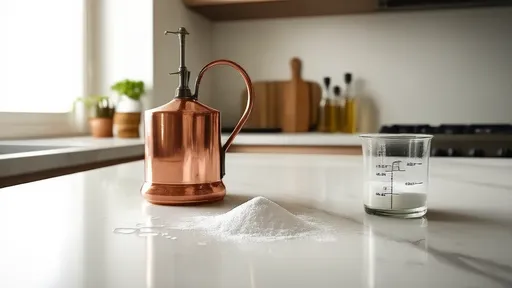
Creating your homemade tile cleaner requires minimal effort. Start by mixing one part water with one part white vinegar in a spray bottle - this dilution prevents potential damage to sensitive surfaces while maintaining cleaning power. For heavily soiled areas, you can use undiluted vinegar. Sprinkle baking soda directly onto the tile surface or grout lines, focusing on problem areas. Then spray the vinegar solution over the baking soda and watch the fizzy reaction begin.
The timing of application makes a significant difference in results. For routine cleaning, the mixture can be applied and immediately scrubbed. For tougher jobs, allow it to sit for 5-10 minutes to penetrate stubborn stains, but avoid letting it dry completely as this can make residue harder to remove. Use a stiff-bristled brush (an old toothbrush works perfectly for grout lines) to scrub the area, then rinse thoroughly with warm water.
Special Considerations for Different Tile Types
While generally safe for most tile surfaces, some precautions should be observed. Natural stone tiles like marble, travertine, or limestone can be etched by vinegar's acidity. For these surfaces, skip the vinegar and make a paste of baking soda and water instead. Porcelain and ceramic tiles handle the vinegar-baking soda combination well, though it's always wise to test a small, inconspicuous area first.
For glossy finishes, reduce scrubbing intensity to maintain the shine. Unglazed tiles and porous natural stone may require more gentle application and quicker rinsing. In showers, this method proves particularly effective against soap scum when used weekly, preventing buildup that requires harsh chemicals to remove later.
Beyond Basic Cleaning: Advanced Applications
The vinegar and baking soda solution adapts well to various challenging cleaning scenarios. For moldy grout, add a few drops of tea tree oil to the vinegar before application - this essential oil boosts antifungal properties. To tackle rust stains, create a thicker paste with less vinegar and let it sit longer before scrubbing.
For whole-floor cleaning, mix 1/2 cup baking soda with 1 gallon warm water and 1/2 cup vinegar (add vinegar last to minimize fizzing). This creates an effective mop solution for refreshing large tile areas. The solution also works wonders on glass shower doors when sprayed on and wiped off with newspaper for a streak-free shine.
Why This Method Outperforms Commercial Cleaners
Commercial tile cleaners often contain chlorine bleach, ammonia, phosphates, and synthetic fragrances that can irritate skin, eyes, and respiratory systems. Many leave behind residues that actually attract more dirt over time. The vinegar-baking soda approach cleans effectively without these drawbacks, while also being exceptionally budget-friendly.
Environmentally conscious homeowners will appreciate that this method introduces no new chemicals into waterways. Vinegar and baking soda break down harmlessly, unlike many commercial cleaners that contribute to water pollution. The reduced packaging waste from avoiding plastic cleaner bottles further lessens environmental impact.
For households with children or pets, the safety advantage is significant. Accidental exposure poses minimal risk compared to caustic commercial products. The non-toxic nature also means no need to rinse surfaces as thoroughly before food preparation areas are used again.
Addressing Common Concerns and Limitations
Some users worry about vinegar's strong smell, which dissipates quickly as it dries (much faster than synthetic fragrances in commercial cleaners). For those particularly sensitive to the odor, adding a few drops of citrus essential oil can help. Another misconception is that the solution isn't "strong enough" - in reality, with proper application techniques, it matches or exceeds many commercial products' performance.
The method does have limitations. Extremely heavy buildup may require repeated applications or initial use of a specialized cleaner. Also, while excellent for routine maintenance, the solution doesn't provide the protective coatings some commercial products offer. However, for most households' regular cleaning needs, vinegar and baking soda deliver impressive results without the downsides of conventional cleaners.
As consumers become more aware of indoor air quality and environmental impact, these simple, traditional cleaning methods are experiencing a well-deserved resurgence. The next time your tile cleaner runs out, consider it an opportunity to try this effective, economical, and eco-friendly alternative that keeps your tiles gleaming without compromising health or the planet.

By /Jun 13, 2025

By /Jun 28, 2025
By /Jun 28, 2025

By /Jun 13, 2025

By /Jun 13, 2025

By /Jun 28, 2025
By /Jun 13, 2025
By /Jun 28, 2025
By /Jun 28, 2025

By /Jun 13, 2025

By /Jun 28, 2025
By /Jun 13, 2025

By /Jun 28, 2025

By /Jun 28, 2025
By /Jun 28, 2025

By /Jun 13, 2025

By /Jun 13, 2025
By /Jun 28, 2025