In our fast-paced consumer culture, clothing turnover happens at an alarming rate. Every year, millions of tons of textiles end up in landfills while we continually purchase new items to replace them. But what if those worn-out t-shirts, stretched-out sweaters, and outdated jeans could find new purpose in our homes? With some basic sewing skills and creative thinking, old garments can be transformed into practical storage solutions that add both function and personality to your living space.
The concept of upcycling clothing into storage containers isn't just environmentally responsible - it's a way to preserve memories while decluttering your home. That concert tee from your favorite band, the sweater your grandmother knitted, or your child's outgrown pajamas all carry sentimental value that makes them worth preserving in new forms. The textures, colors, and patterns of well-loved clothing bring warmth and character to organizational tools that plastic bins simply can't match.
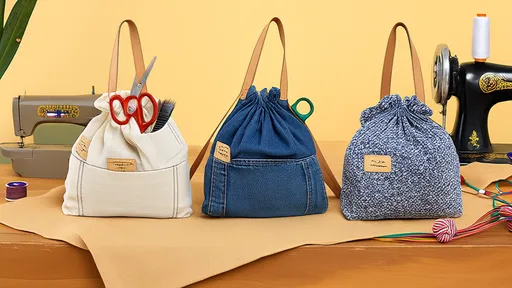
Denim proves to be one of the most versatile materials for storage transformations. The sturdy fabric holds its shape beautifully and withstands heavy use. A pair of worn jeans can become anything from a hanging organizer for craft supplies to a durable tote for grocery shopping. The pockets that once held coins and keys now become perfect compartments for remote controls, writing utensils, or small gardening tools. The natural fading and distressing of well-worn denim adds rustic charm to any room.
For those with minimal sewing experience, t-shirts offer the perfect beginner project. The stretchy knit fabric forgives imperfect stitches and requires no hemming to prevent fraying. A simple no-sew method involves cutting off the sleeves and neckline, then tying the bottom hem to create an instant drawstring bag. These make excellent produce bags for the market or storage for lightweight items like scarves or stuffed animals. More advanced crafters can add lining fabric or partition the interior to create specialized organizers.
Winter sweaters that have shrunk or felted in the wash take on new life as cozy storage containers. The thick wool creates naturally insulated bins perfect for keeping mittens and hats organized near the front door. Sweater sleeves become ingenious wine bottle cozies or vase covers, while the body of the garment can be fashioned into a beautiful basket for knitting projects. Cable knits and fair isle patterns add texture and visual interest that elevates simple storage to home decor.
Beyond the basic bag shape, creative crafters discover endless possibilities for specialized organizers. Button-down shirts transform into clever hanging jewelry cases when you sew the sleeves shut and add hooks. The pockets become perfect compartments for rings and earrings, while the placket keeps necklaces from tangling. Dress shirts with interesting prints make elegant storage boxes when stiffened with interfacing or cardboard inserts. Even formal wear finds new purpose - a satin gown might become a luxurious lingerie sachet or eyeglass case.
Children's clothing presents particularly emotional upcycling opportunities. Baby onesies become keepsake storage for first shoes or locks of hair from that first haircut. Outgrown toddler dresses can be repurposed as doll clothing or transformed into charming gift bags for birthday presents. School uniforms turned pencil cases carry memories of childhood milestones while serving practical purposes. These projects often become family heirlooms passed down through generations.
The environmental impact of clothing upcycling extends far beyond keeping textiles out of landfills. Each repurposed garment represents water, energy, and resources saved from new production. The cotton needed for one t-shirt requires 700 gallons of water to produce - by extending that shirt's life as a storage bag, you're conserving those resources. Synthetic fabrics like polyester never fully decompose, making their reuse even more crucial for reducing microplastic pollution in our ecosystems.
Practical considerations ensure your upcycled storage solutions function well and last long. Reinforcing stress points with extra stitching prevents tearing in heavily used areas. Adding interfacing or lining gives structure to floppy fabrics. Waterproofing treatments can protect items stored in damp areas like bathrooms or laundry rooms. For frequently washed items like produce bags, choosing pre-shrunk fabrics prevents unexpected size changes. These small details make the difference between a makeshift solution and professional-quality organizers.
Beyond individual projects, clothing upcycling can become a community-building activity. Neighborhood swap meets allow people to exchange materials and ideas while reducing collective waste. Senior centers and youth groups often welcome volunteers to teach simple repurposing techniques. Some creative entrepreneurs have built entire businesses transforming donated clothing into high-end storage solutions, proving that sustainability and style can coexist profitably.
The psychological benefits of repurposing clothing extend beyond environmental consciousness. The act of transforming something outdated or worn into something useful and beautiful builds creative confidence. Seeing these items daily serves as a reminder of our ability to solve problems resourcefully. In children, it teaches early lessons about sustainability and valuing what we already have. For those grieving lost loved ones, creating memorial storage items from clothing can be a therapeutic process.
As storage needs evolve, so can upcycled solutions. A set of matching t-shirt bags creates modular storage that can be reconfigured as needs change. Drawstring closures allow expansion for bulky items while cinching down for compact storage. Hanging organizers adapt to closet reorganizations or moves between homes. Unlike mass-produced storage systems, these handmade solutions grow and change with your life rather than requiring replacement.
The aesthetic possibilities of clothing upcycling rival any store-bought organization system. A bohemian wardrobe yields colorful patchwork storage, while a minimalist's neutral palette creates sleek, uniform containers. Vintage fabrics lend nostalgic charm, athletic jerseys bring playful energy, and corporate wear transforms into sophisticated office organizers. The personal style embedded in your clothing choices naturally carries through to your storage solutions when you repurpose rather than replace.
Seasonal storage needs present perfect opportunities for clothing transformations. Heavy winter coats become insulated containers for protecting delicate patio cushions during cold months. Light summer dresses make ideal storage for holiday decorations or seasonal clothing rotations. Raincoats turned into tool holders withstand outdoor conditions, while silk blouses become delicate storage for special occasion accessories. Matching your storage materials to seasonal needs creates logical systems that are easy to maintain.
For those hesitant to cut into sentimental clothing, documentation preserves memories while allowing transformation. Photographing the original garment, saving buttons or distinctive trim, or incorporating the clothing label into the new design maintains connections to the item's history. Some crafters even create small memory books or tags explaining the origin of each repurposed piece, adding layers of meaning to functional objects.
The movement toward sustainable living has brought renewed appreciation for the skills our grandparents took for granted. Basic sewing, creative problem-solving with limited resources, and the patience to remake rather than replace - these competencies serve us well in reducing environmental impact while adding unique personality to our homes. As we roll up an old sweater to begin its new life as a storage basket, we participate in traditions of thrift and craftsmanship that modern life nearly erased.
Ultimately, clothing upcycling represents more than clever storage solutions. Each transformed garment becomes a statement about valuing resources, honoring memories, and expressing creativity in everyday life. The slight imperfections of handmade organizers tell stories no mass-produced container ever could. As these repurposed items hold our possessions, they also hold our values - quite literally weaving sustainability into the fabric of our daily routines.
By /Jun 13, 2025

By /Jun 28, 2025

By /Jun 28, 2025

By /Jun 13, 2025

By /Jun 13, 2025

By /Jun 28, 2025

By /Jun 13, 2025

By /Jun 28, 2025

By /Jun 28, 2025

By /Jun 13, 2025

By /Jun 28, 2025
By /Jun 13, 2025
By /Jun 28, 2025

By /Jun 28, 2025
By /Jun 28, 2025

By /Jun 13, 2025

By /Jun 13, 2025
By /Jun 28, 2025