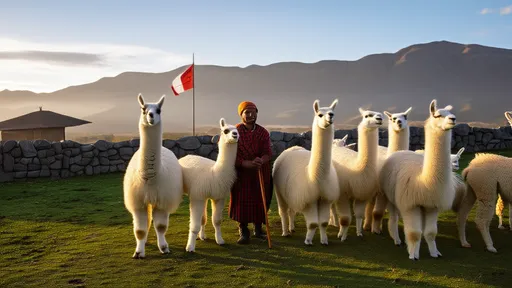
In the high-altitude plains of Peru, where the Andes Mountains carve through the sky, a unique diplomatic tradition has taken root—one that involves not treaties or trade agreements, but the soft, curious gaze of alpacas. These gentle creatures, long revered in Peruvian culture, have become unlikely ambassadors in what is now known as "alpaca diplomacy." At the heart of this initiative lies a state-run breeding center dedicated to raising these animals as gifts of friendship to nations around the world.
The breeding facility, nestled in the Puno region near Lake Titicaca, is more than just a farm; it is a carefully curated project blending conservation, cultural pride, and international relations. Here, alpacas are bred not only for their luxurious fleece but also for their symbolic value. The Peruvian government selects the finest specimens—those with the softest wool, the most even temperament, and the purest lineage—to be presented as living tokens of goodwill. "These animals carry the spirit of the Andes," explains Dr. Elena Quispe, a veterinarian overseeing the program. "They are a bridge between Peru and the world."
Alpacas have been domesticated in South America for thousands of years, serving as a cornerstone of Andean life. Their wool, lighter and warmer than sheep’s wool, was once reserved for Incan royalty. Today, Peru is the world’s largest producer of alpaca fiber, and the animals themselves have taken on new significance. When a head of state receives an alpaca from Peru, it is not merely a gift—it is an invitation to connect with the country’s heritage and natural wealth. Recent recipients include China, Japan, and several European nations, each alpaca chosen to reflect the diplomatic relationship Peru seeks to cultivate.
Behind the scenes, the breeding process is meticulous. The center’s staff monitors genetics, diet, and even socialization to ensure the alpacas are healthy and adaptable. "We want them to thrive in their new homes," says Carlos Mendez, a senior herdsman. "That means acclimating them to different climates and human interaction from a young age." The alpacas destined for diplomacy undergo additional training, learning to remain calm during travel and public appearances. Some have even been known to recognize their handlers after months apart, a testament to their intelligence and bond with humans.
The program has not been without its challenges. Transporting alpacas across continents requires strict health certifications and climate-controlled environments. There is also the delicate matter of cultural sensitivity—ensuring that recipient nations understand the care and respect these animals command. Yet, the effort has paid off. Social media buzzes with photos of alpacas in foreign capitals, and their arrival often sparks conversations about Peru’s rich biodiversity. "It’s a way to showcase our country beyond Machu Picchu," notes Foreign Ministry official Lucia Fernandez. "People see the alpaca and start asking about our traditions, our landscapes, our people."
As the sun sets over the breeding center, the alpacas huddle together, their silhouettes blending into the rugged horizon. They are, in many ways, the perfect diplomats: unassuming, resilient, and capable of crossing borders without saying a word. And for Peru, a nation eager to share its story on the global stage, these fleecy envoys may just be the most effective ambassadors of all.

By /Jul 15, 2025
By /Jul 15, 2025

By /Jul 15, 2025
By /Jul 15, 2025

By /Jul 15, 2025

By /Jul 15, 2025

By /Jul 15, 2025

By /Jul 15, 2025
By /Jul 15, 2025

By /Jul 15, 2025

By /Jul 15, 2025

By /Jul 15, 2025

By /Jul 15, 2025
By /Jul 15, 2025

By /Jul 15, 2025
By /Jul 15, 2025

By /Jul 15, 2025

By /Jul 15, 2025