The pet influencer economy has exploded in recent years, with charismatic cats, dogs, and even exotic animals amassing millions of followers across social platforms. Behind the curated photos and viral videos lies an often-overlooked aspect: the rigorous health management required to maintain these animal stars. As more creators sign with Multi-Channel Networks (MCNs), contractual health clauses have become a hot-button issue in the pet content industry.
Breed-Specific Concerns in Contracts
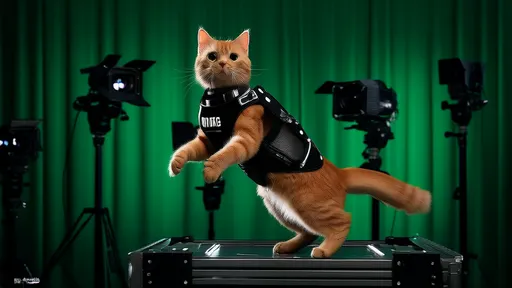
MCNs specializing in pet influencers have developed intricate health protocols tailored to different species. For canine influencers, clauses frequently address hip dysplasia screenings for large breeds or tracheal collapse prevention in small breeds featured in costume content. Feline contracts increasingly mandate annual echocardiograms for breeds prone to hypertrophic cardiomyopathy, particularly after several high-profile cases of sudden death among popular cat influencers. These requirements often exceed standard veterinary care, reflecting the financial stakes involved when an animal's health impacts content production schedules.
The exotic pet niche presents unique challenges. Agencies representing reptile influencers now commonly require quarterly parasite screenings and thermal environment audits after a viral incident where a bearded dragon's metabolic bone disease was linked to improper UV lighting during filming. Avian creators often have feather condition clauses tied to compensation, with some contracts specifying mandatory molting periods where birds cannot be used for sponsored content.
Preventative Care as Brand Protection
Forward-thinking MCNs have moved beyond reactive health measures, implementing wellness programs that function as both animal welfare safeguards and brand risk management. One prominent network has partnered with veterinary behaviorists to develop "enrichment minimums" - contractual obligations ensuring pets receive daily cognitive stimulation separate from content creation activities. This addresses growing consumer awareness about animal stress signals visible in videos.
Nutritional oversight has become another battleground. After backlash against treat-heavy training videos, several agencies now employ veterinary nutritionists to audit sponsored food products and set daily calorie limits for filming days. Some contracts controversially include body condition score parameters, with provisions for mandatory fitness programs if influencers exceed healthy weight ranges - a clause that has sparked debate about who determines ideal animal physique.
The Dark Side of Viral Healthcare
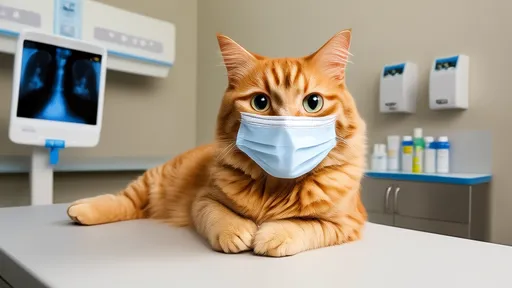
Not all health-focused content benefits the animals involved. The rise of "diagnosis content" - where creators film veterinary visits and medical procedures - has led to concerning incentives. Some contracts now include clauses requiring pets to undergo specific tests or treatments for content purposes, regardless of medical necessity. This trend has drawn criticism from veterinary associations concerned about animals undergoing stressful procedures solely for viewer engagement.
Insurance complexities further complicate matters. While top-tier pet influencers may have policies covering specialized treatments, mid-tier creators often face difficult choices when contracts require expensive procedures not covered by standard pet insurance. This has created a tiered system where an animal's healthcare quality depends heavily on its follower count and revenue generation.
Emerging Standards and Pushback
Industry self-regulation attempts have produced mixed results. The Pet Influencer Welfare Coalition (PIWC), formed by major MCNs, established baseline care standards but faces criticism for lacking enforcement mechanisms. Meanwhile, animal rights organizations have begun auditing popular pet accounts for signs of contractual neglect, using platform analytics to estimate filming durations versus rest periods.
Some creator pushback is emerging. A coalition of pet influencers' human representatives recently demanded standardized "health transparency reports" from MCNs, including veterinary visit logs and environmental enrichment documentation. Others are negotiating for "health sabbaticals" - guaranteed periods where animals can step back from content creation without penalty, particularly for senior pet influencers facing age-related conditions.
The evolving landscape suggests pet influencer health management will remain contentious as the industry matures. With growing scrutiny from both fans and animal welfare organizations, MCNs walk a tightrope between protecting their assets and demonstrating genuine care for animal wellbeing. What began as simple content agreements have transformed into complex biomedical ethics debates playing out in contract fine print.
By /Jul 15, 2025
By /Jul 15, 2025

By /Jul 15, 2025
By /Jul 15, 2025

By /Jul 15, 2025

By /Jul 15, 2025
By /Jul 15, 2025

By /Jul 15, 2025

By /Jul 15, 2025

By /Jul 15, 2025
By /Jul 15, 2025

By /Jul 15, 2025
By /Jul 15, 2025
By /Jul 15, 2025

By /Jul 15, 2025

By /Jul 15, 2025

By /Jul 15, 2025

By /Jul 15, 2025