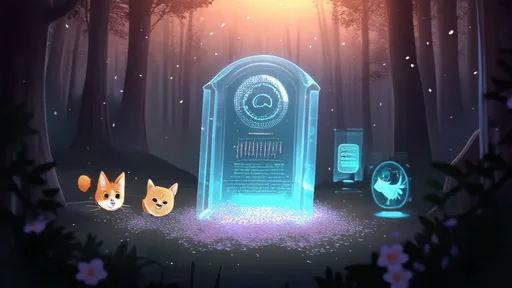
In an era where technology increasingly intersects with personal rituals, a new phenomenon is emerging in the realm of memorial practices: augmented reality (AR) tombstone interactions for virtual pets. This innovative approach blends the nostalgia of pet ownership with cutting-edge digital interfaces, allowing individuals to commemorate their beloved virtual companions in ways previously unimaginable. As society becomes more comfortable with digital expressions of grief and remembrance, these AR memorials offer a fascinating glimpse into the future of how we honor non-physical relationships.
The concept builds upon the longstanding tradition of pet memorials while acknowledging the unique nature of digital companionship. Unlike physical pets, virtual creatures exist as lines of code and pixels, yet they often hold significant emotional weight for their owners. Traditional methods of remembrance feel inadequate for these intangible companions, prompting developers to create solutions that respect the digital essence of these relationships. AR tombstone interfaces provide a tangible focal point for grief while maintaining the virtual nature that defined the original bond.
Designing these interactive memorials presents unique challenges that push the boundaries of conventional AR applications. The most successful implementations avoid gimmicky effects in favor of meaningful interactions that facilitate genuine emotional connection. Some systems allow users to "feed" their departed virtual pet one last time, while others recreate signature behaviors or play back memorable interactions. The visual language of these digital tombstones often incorporates aesthetic elements from the original virtual pet environment, creating continuity between the living and memorialized versions of the digital companion.
Cultural attitudes toward digital loss play a significant role in adoption rates of these memorial technologies. In societies where virtual relationships carry substantial social weight, such as Japan and South Korea, AR pet memorials have gained considerable traction. Western markets have been slower to embrace the concept, though younger demographics increasingly view digital grief as valid and worthy of expression. This generational divide highlights how quickly norms around digital ownership and loss are evolving worldwide.
The psychological impact of virtual pet memorialization remains an area of active research. Early studies suggest that formalized grieving processes for digital companions can provide similar emotional benefits to physical pet loss rituals. The interactive nature of AR memorials appears particularly effective at facilitating closure, as it allows for active rather than passive remembrance. However, some mental health professionals caution against potential over-attachment to digital representations, emphasizing the importance of eventually moving forward after loss.
Technical implementation varies widely across different AR tombstone platforms. Some utilize geolocated markers in physical cemeteries or memorial gardens, while others function as standalone applications for home use. The most sophisticated systems incorporate blockchain technology to create permanent, tamper-proof records of a virtual pet's existence and memorial. This ensures that even as platforms evolve or disappear, the digital memorial remains accessible—a crucial consideration given how quickly virtual pet applications can become obsolete.
Ethical considerations surrounding data usage and privacy form an important part of the conversation. Unlike physical memorials that exist in public spaces, digital tombstones often incorporate personal interaction histories and behavioral data. Leading developers have implemented strict data governance policies, allowing users full control over what information gets memorialized and who can access it. This approach recognizes that while the pet may have been virtual, the associated memories and emotions are profoundly real and personal.
The business models supporting these memorial services reveal interesting insights about digital value perception. Some platforms operate on subscription bases, offering ongoing maintenance of the AR memorial space. Others utilize one-time purchase models similar to physical grave markers. A growing trend involves integrating memorialization costs into the initial virtual pet purchase, framing perpetual remembrance as part of responsible digital ownership. These varying approaches reflect the industry's attempts to find sustainable models for a service that, by definition, must outlast its creators.
As the technology matures, we're seeing increasingly sophisticated expressions of virtual pet memorialization. Some AR tombstones now incorporate AI elements that allow for dynamic interactions based on the pet's archived behavior patterns. Others connect to social platforms, enabling shared grieving experiences among communities of users who owned similar virtual creatures. The most poignant implementations include "digital aging" features that show how the virtual pet might have changed over time had it not "passed away," providing a powerful what-if scenario for grieving owners.
The environmental impact of digital memorials presents an unexpected advantage over traditional practices. Without physical materials or cemetery space requirements, AR pet tombstones offer an eco-friendly alternative for environmentally conscious owners. Some developers have leaned into this aspect, incorporating sustainability metrics into the memorial interface to show how much resources were saved by choosing a digital remembrance. This alignment with contemporary environmental concerns may accelerate adoption among certain demographics.
Looking forward, the intersection of virtual pet memorials and the metaverse suggests even more profound developments on the horizon. Early experiments with cross-platform memorials allow a virtual pet remembered in one application to appear in other virtual spaces. As digital identity and asset portability standards improve, we may see entire memorial gardens in the metaverse where users can visit not just their own departed virtual pets, but those belonging to friends and even historical digital creatures of note. This collective memorial space could fundamentally change how society views the lifespan and legacy of digital beings.
The rise of AR tombstone interactions for virtual pets reflects broader shifts in how we conceptualize ownership, loss, and remembrance in the digital age. These memorials validate the emotional significance of relationships that exist primarily in digital spaces while providing much-needed rituals for processing their conclusion. As virtual companionship becomes increasingly sophisticated and prevalent, so too will our methods of honoring these bonds when they reach their inevitable end. The technology continues to evolve, but at its core, it serves the same timeless human need: to remember, to grieve, and eventually, to heal.

By /Jul 15, 2025

By /Jul 15, 2025
By /Jul 15, 2025
By /Jul 15, 2025

By /Jul 15, 2025

By /Jul 15, 2025
By /Jul 15, 2025

By /Jul 15, 2025

By /Jul 15, 2025
By /Jul 15, 2025

By /Jul 15, 2025

By /Jul 15, 2025

By /Jul 15, 2025
By /Jul 15, 2025

By /Jul 15, 2025

By /Jul 15, 2025

By /Jul 15, 2025

By /Jul 15, 2025