The world of cinema has always relied on clever tricks to bring stories to life, but few techniques have evolved as dramatically as the use of animal stand-ins and motion-capture effects. From the early days of trained dogs performing simple actions to today's hyper-realistic CGI creatures, the art of creating believable animal performances has become a sophisticated—and costly—endeavor. Behind every breathtaking scene of a lion's roar or a dog's emotional gaze lies a complex web of technology, talent, and financial investment that most audiences never see.
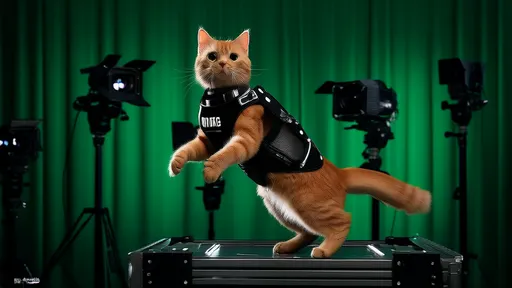
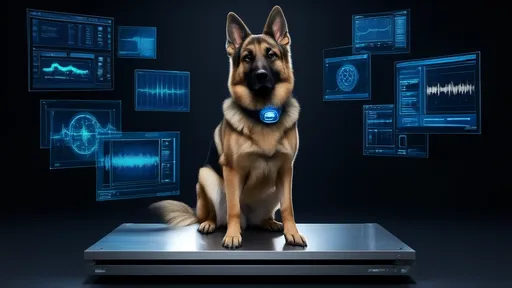
The rise of animal motion-capture stand-in has been nothing short of revolutionary. Where filmmakers once had to rely on unpredictable live animals or expensive animatronics, they can now create perfect performances through digital means. This shift hasn't come cheap. The process begins with hiring elite animal trainers who can coax specific movements from creatures as diverse as house cats to Bengal tigers. These reference performances are then painstakingly translated into digital models by teams of animators working with cutting-edge software. The result? A seamless blend of realism and artistic control that would have been unimaginable just twenty years ago.
What most viewers don't realize is that creating a single minute of believable animal CGI can require hundreds of hours of work. Every tuft of fur, each subtle muscle twitch, and all those tiny reflections in an animal's eyes must be individually crafted. The more realistic the effect needs to be, the more expensive it becomes. Blockbuster films featuring prominent animal characters often allocate millions just for these effects—sometimes exceeding the entire budgets of smaller independent films. When a production needs a tiger to speak or a dog to cry, the price tag skyrockets further due to the additional facial animation requirements.
The financial considerations extend beyond just the digital effects. Insurance costs for working with live animals can be staggering, especially when dealing with potentially dangerous species. Even relatively safe animal actors require specialized handlers, custom accommodations, and sometimes lengthy training periods before they're camera-ready. Many productions find that while using real animals might seem cheaper initially, the unpredictable nature of biological performers often leads to costly delays that make CGI alternatives more appealing despite their higher upfront costs.
Perhaps the most fascinating development in this field has been the emergence of hybrid approaches that combine live-action footage with digital enhancement. A real dog might perform basic actions on set, while complex movements or dangerous stunts are handled through CGI. This blending of techniques allows filmmakers to maintain authenticity while overcoming the limitations of animal training. The cost savings from using partial practical effects can then be redirected toward perfecting the most crucial digital elements, creating a more convincing final product without breaking the bank.
As streaming platforms demand ever more content featuring animals—from nature documentaries to fantasy epics—the pressure to deliver realistic creatures quickly and affordably has never been greater. New technologies like machine learning-assisted animation and real-time rendering promise to streamline parts of the process, but for now, creating believable animal performances remains one of the most resource-intensive aspects of filmmaking. The next time you're moved by an animal's performance on screen, remember: that emotional moment likely came with a seven-figure price tag and the combined efforts of dozens of artists and technicians working behind the scenes.

By /Jul 15, 2025
By /Jul 15, 2025

By /Jul 15, 2025
By /Jul 15, 2025

By /Jul 15, 2025
By /Jul 15, 2025
By /Jul 15, 2025

By /Jul 15, 2025

By /Jul 15, 2025
By /Jul 15, 2025

By /Jul 15, 2025

By /Jul 15, 2025

By /Jul 15, 2025
By /Jul 15, 2025

By /Jul 15, 2025
By /Jul 15, 2025

By /Jul 15, 2025

By /Jul 15, 2025